Everything you want to know about Australian Labradoodle.
About Australian Labradoodles
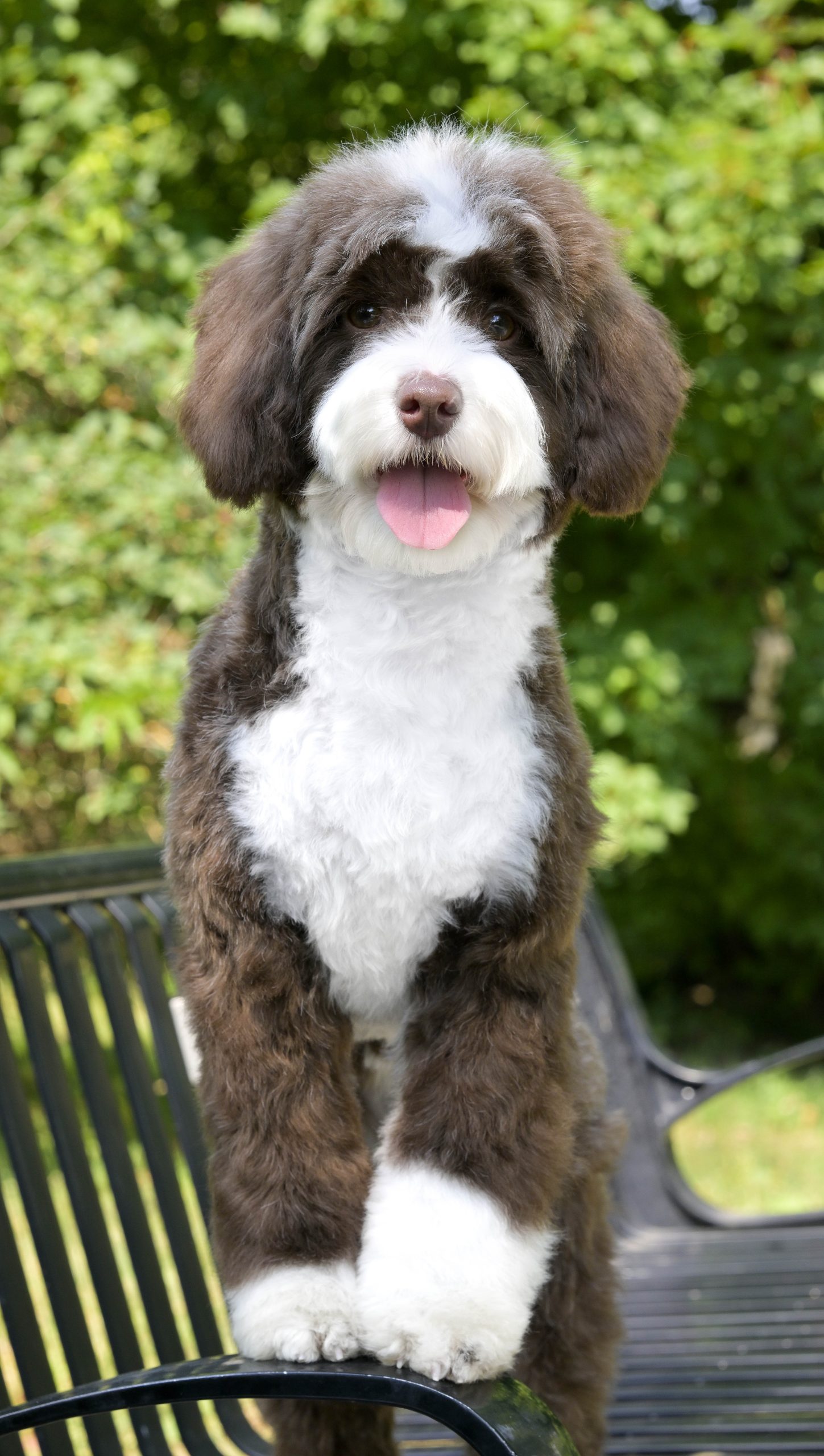
The Australian Labradoodle is a unique and carefully developed breed that originated in Australia in the late 1980s. While the name suggests it is simply a Labrador Retriever crossed with a Poodle, the true Australian Labradoodle is a multi-generational dog that has been bred for consistency in temperament, health, and coat The Australian Labradoodle was first developed when the Royal Guide Dog Association of Australia set out to create a hypoallergenic service dog by crossing a Standard Poodle with a Labrador Retriever. While the initial Labradoodles were well-received, their coats and temperaments varied widely. To bring more consistency, Australian breeders later introduced other breeds, including the English and American Cocker Spaniel, Curly-Coated Retriever, and Irish Water Spaniel. This thoughtful infusion of genetics helped produce a dog with a predictable coat, a friendly and intuitive personality, and excellent suitability for service and therapy work. Today, the Australian Labradoodle is recognized by organizations such as the Australian Labradoodle Association of America (ALAA) and the Worldwide Australian Labradoodle Association (WALA) as a distinct breed in development.
The temperament of the Australian Labradoodle is one of its most appealing qualities. These dogs are known for being friendly, intuitive, and highly people-oriented. They thrive on human interaction, getting along well with children, other dogs, and even cats. Intelligent and eager to please, they are quick to learn and respond well to training, especially with positive reinforcement. Their affectionate and loyal nature means they bond deeply with their families and often prefer to stay close to their people. They also display balanced energy levels—happy to join in on outdoor adventures and exercise, yet just as content to relax indoors with their family. Because of their intuitive and empathetic nature, Australian Labradoodles often excel as therapy dogs, emotional support dogs, and service animals.
Appearance
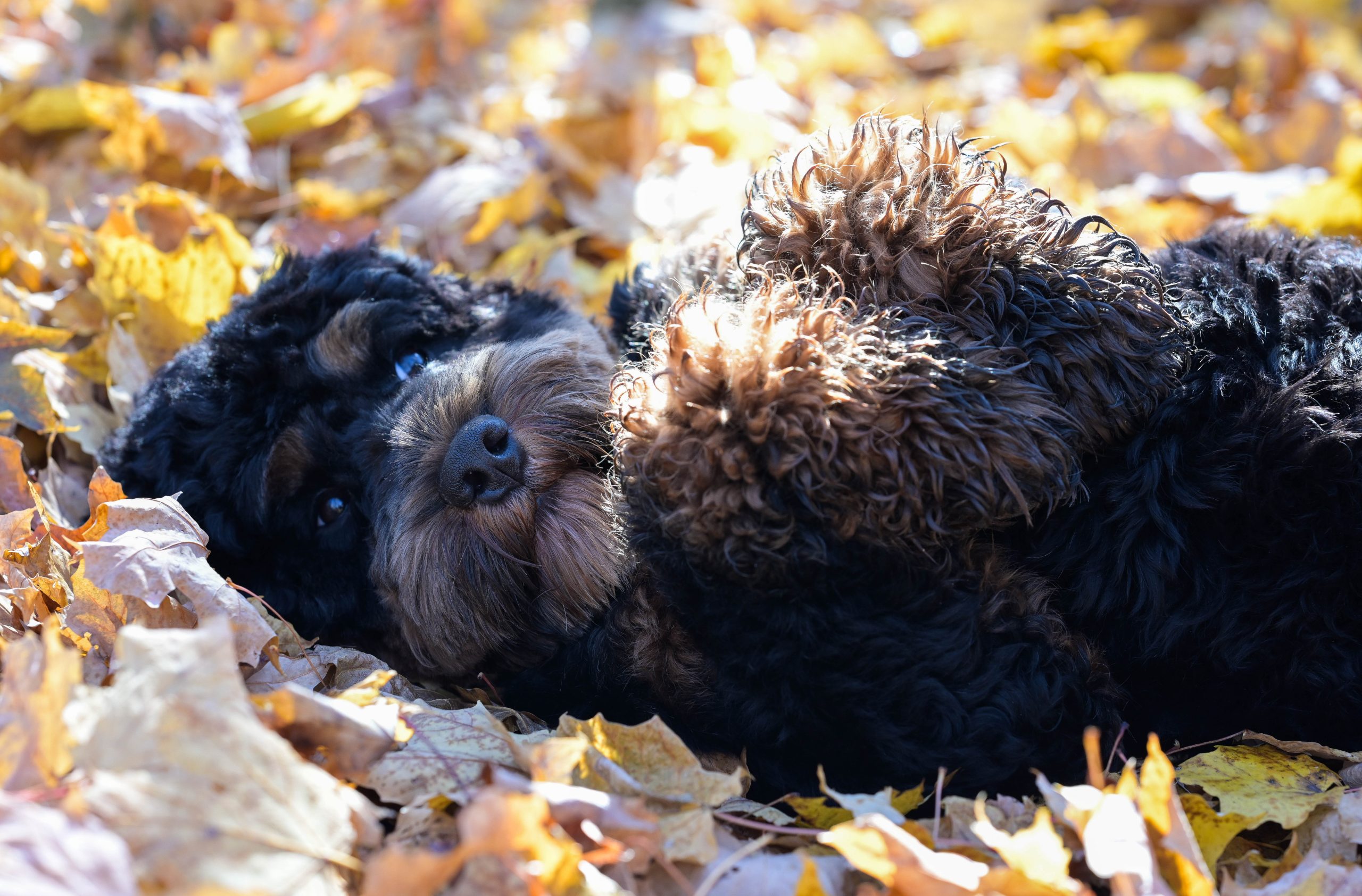
Australian Labradoodles have an adorable soft appearance that makes everyone instantly fall in love with them. They tend to have a stockier, more square frame compared to first-generation Labradoodles, with a broad chest, level topline, and well-proportioned build. Their heads are slightly rounded with expressive, human-like eyes and a gentle expression. Ears are medium length, hanging close to the head.
Their overall look is often described as teddy bear–like, with a combination of sturdiness and softness that makes them stand out.
Coat

Most Australian Labradoodle have beautiful low to non-shedding coats. The majority have a fleece coat—silky, soft, and low-shedding, with a texture often compared to cashmere or angora. Fleece coats are loose waves or spirals, giving a fluffy yet manageable look.
Some Australian Labradoodles may have a wool coat, which is denser and curlier, more like a Poodle. Wool coats are excellent for allergy-sensitive families but require more maintenance. Wirer coats (straighter, harsher coats) are rare in well-bred multigen lines.
Their coats come in a wide variety of colors, including cream, caramel, apricot, red, chocolate, café, black, silver, sable, phantom, merle, and parti variations.
Grooming needs: While they shed very little, their coats require regular maintenance. Brushing two to three times per week and professional grooming every six to eight weeks is necessary to prevent mats and keep the coat healthy.
Sizes
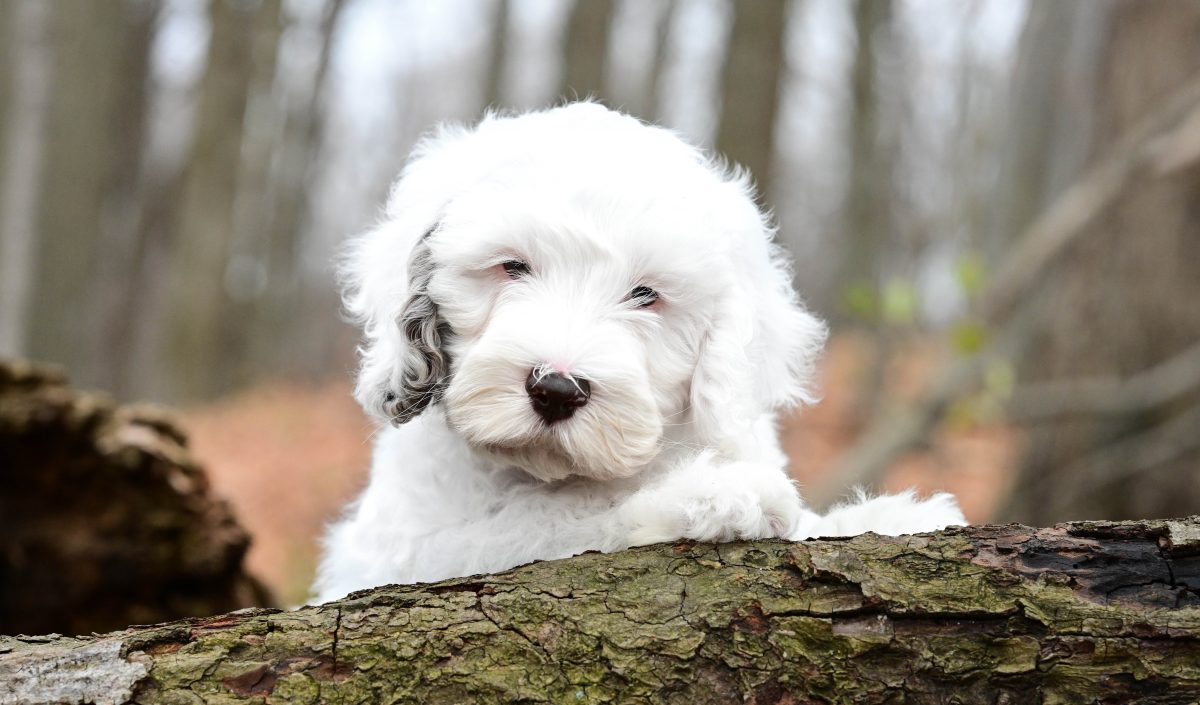
Australian Labradoodles are bred in three general size categories:
- Miniature: 14–16 inches at the shoulder, 15–30 lbs
- Medium: 17–20 inches at the shoulder, 30–45 lbs
- Standard: 21–24 inches at the shoulder, 50–65 lbs
This variety allows families to select the size that best fits their lifestyle, whether they want a smaller dog for an apartment or a larger dog for an active household.
Different Generations
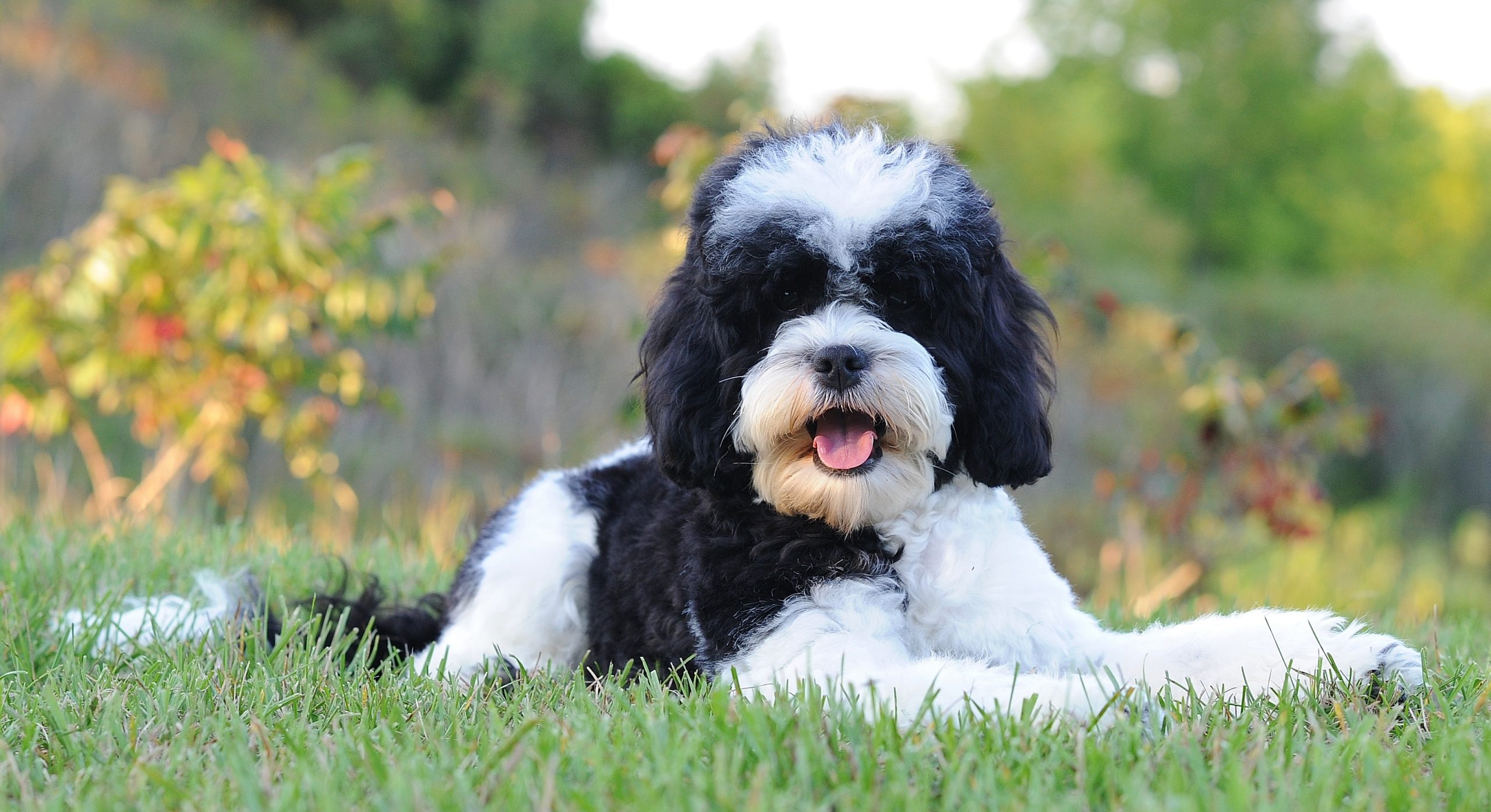
Most Australian Labradoodles today are considered multigenerational, meaning they are bred from several generations of Labradoodles rather than a first- or second-generation cross. Early Labradoodles were simply a Labrador Retriever crossed with a Poodle (F1), or sometimes an F1 backcrossed to a Poodle (F1B).
To bring more predictability, Australian breeders carefully developed the Labradoodle by introducing other breeds—such as the English and American Cocker Spaniel, Curly-Coated Retriever, and Irish Water Spaniel—and by continuing to breed Labradoodle to Labradoodle over many generations. This is what makes the Australian Labradoodle distinct from the early Labradoodle and why it is now recognized by organizations like the ALAA (Australian Labradoodle Association of America) and WALA (Worldwide Australian Labradoodle Association).
Because they are multigenerational, Australian Labradoodles are much more consistent in appearance, coat quality, and temperament. Most have the hallmark soft, silky fleece coat that is low to non-shedding, along with a calm, intuitive, and people-focused personality. Families looking for a dog with predictable allergy-friendly qualities and a reliable temperament are often drawn to multigenerational Australian Labradoodles for this reason.
Health and Lifespan
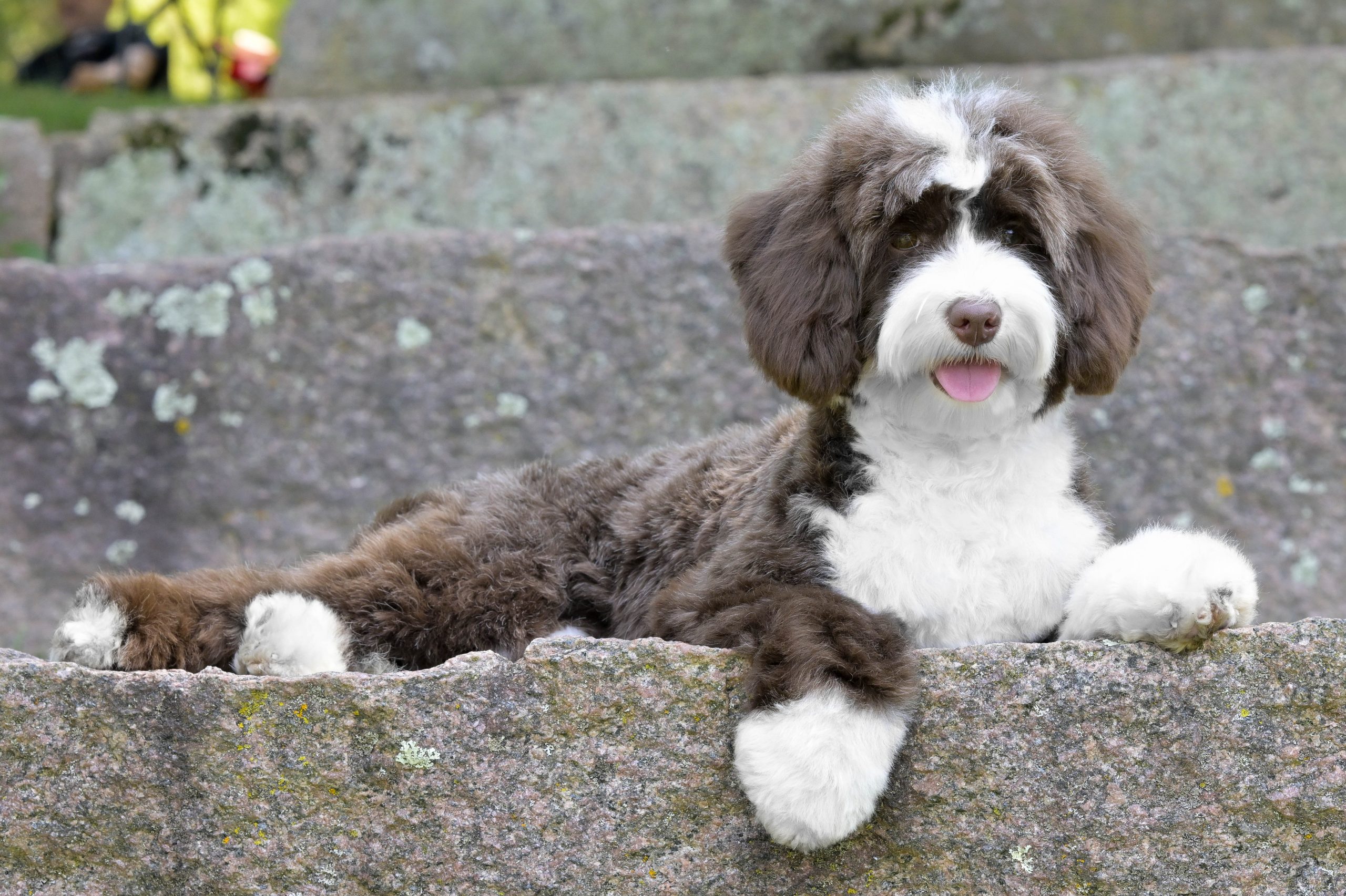
With careful breeding, Australian Labradoodles are generally healthy dogs, and their average lifespan is 12 to 15 years, with smaller dogs often living longer than larger ones. Like all breeds, they can be prone to certain health conditions, including hip and elbow dysplasia, Progressive Retinal Atrophy (PRA) and cataracts, Cancer, Addison’s Disease and skin allergies or sensitivities can also occur. Responsible breeders work hard to minimize these risks by conducting extensive health testing—such as evaluations of the hips, elbows, eyes, and heart, along with comprehensive DNA panels—to ensure they are producing strong, healthy lines.
Goldendoodle Mismatch
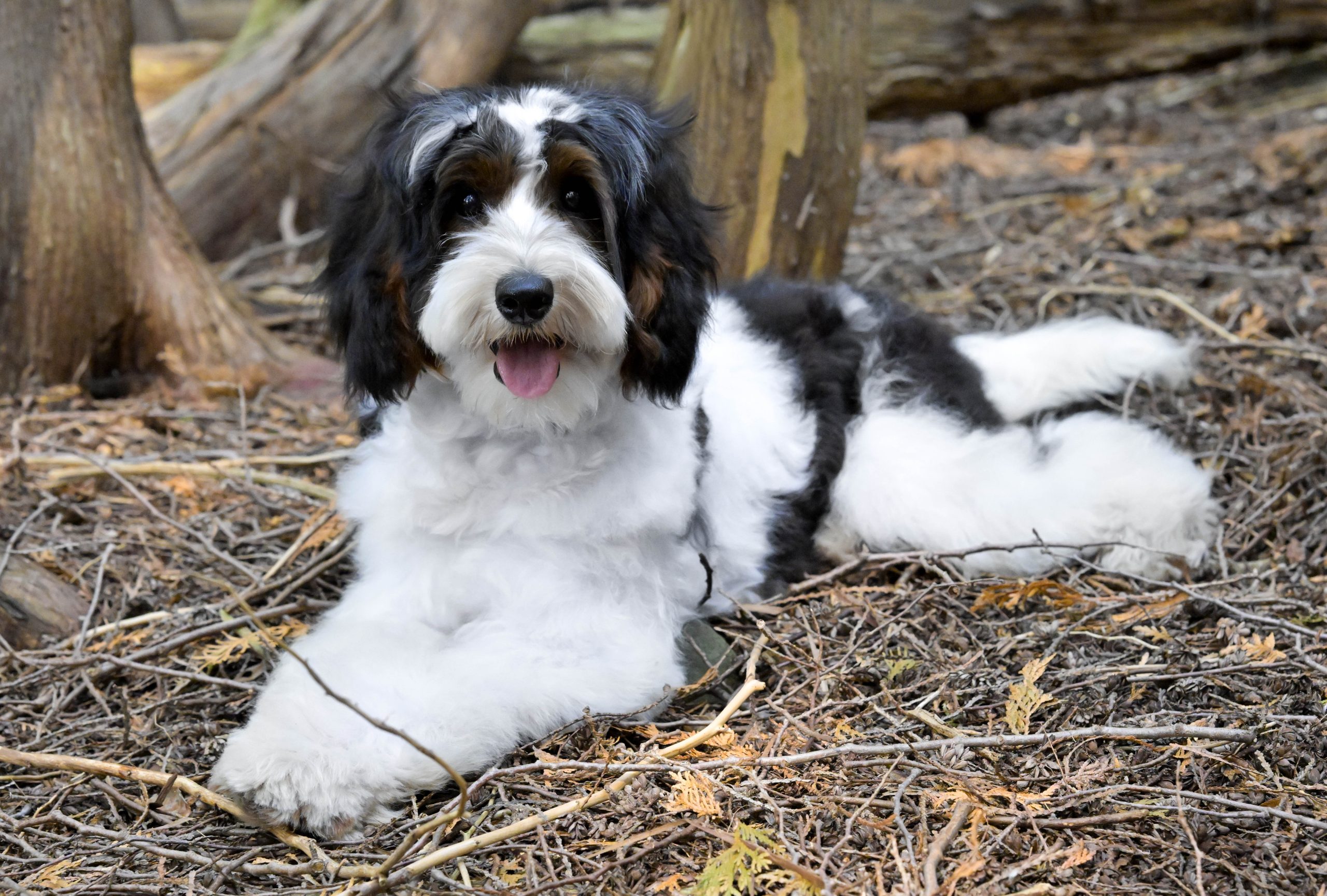
The Australian Labardoodle is a versatile companion, well-suited for a wide range of families and lifestyles; with a few caveats:
- This is a very social dog that thrives on plenty of human interaction; if you have limited time for a dog, this may not be the breed for you. They need exercise and mental engagement.
- You should be prepared to dedicate the first two years to consistent guidance and training, helping your puppy grow into a well-mannered, wonderful adult dog.
- A low- to non-shedding coat means more time, effort, and money spent on grooming.
But if you have the time and enthusiasm, I predict your Australian Labradoodle will become the best friend you ever had – at least of the canine variety.

We wrote the first book on Bernedoodles
This comprehensive, easy-to-read and entertaining book covers everything you need to know about this amazing hybrid. Since Bernedoodles can vary significantly in size, build, coloring, and even personality, prospective owners need advice from someone who knows the breed inside out. Who better than the breeder who created them?