Everything you want to know about the Australian Goldendoodle.
About Australian Goldendoodles
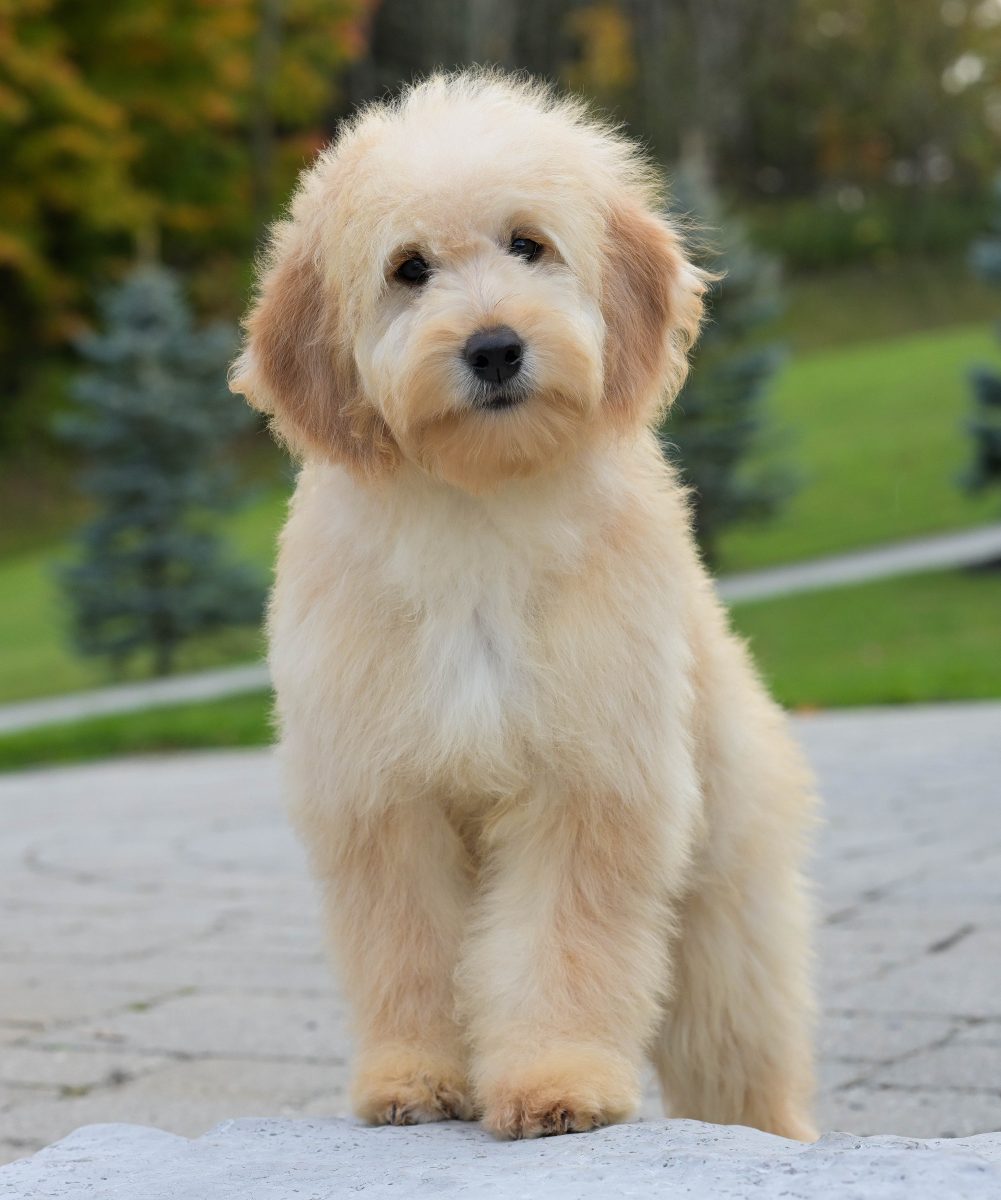
The Australian Goldendoodle is a hybrid dog created by crossing a Golden Retriever with an Australian Labradoodle. Unlike the traditional Goldendoodle, which is a mix of Golden Retriever and Poodle, the Australian Goldendoodle benefits from the added genetics of the Australian Labradoodle—a breed carefully developed in Australia for therapy and service work.
The Australian Labradoodle itself is a multi-breed mix, originally combining the Poodle and Labrador Retriever with breeds such as the English and American Cocker Spaniel, Curly-Coated Retriever, and Irish Water Spaniel. This infusion was designed to create a dog with consistent coat qualities, low shedding, strong health, and a friendly, people-focused temperament. By introducing the Australian Labradoodle into the Goldendoodle line, we are able to produce a dog with greater genetic diversity, a more predictable fleece coat, and a temperament that is especially well-suited for family life, therapy, and emotional support roles.
The English Golden Retriever
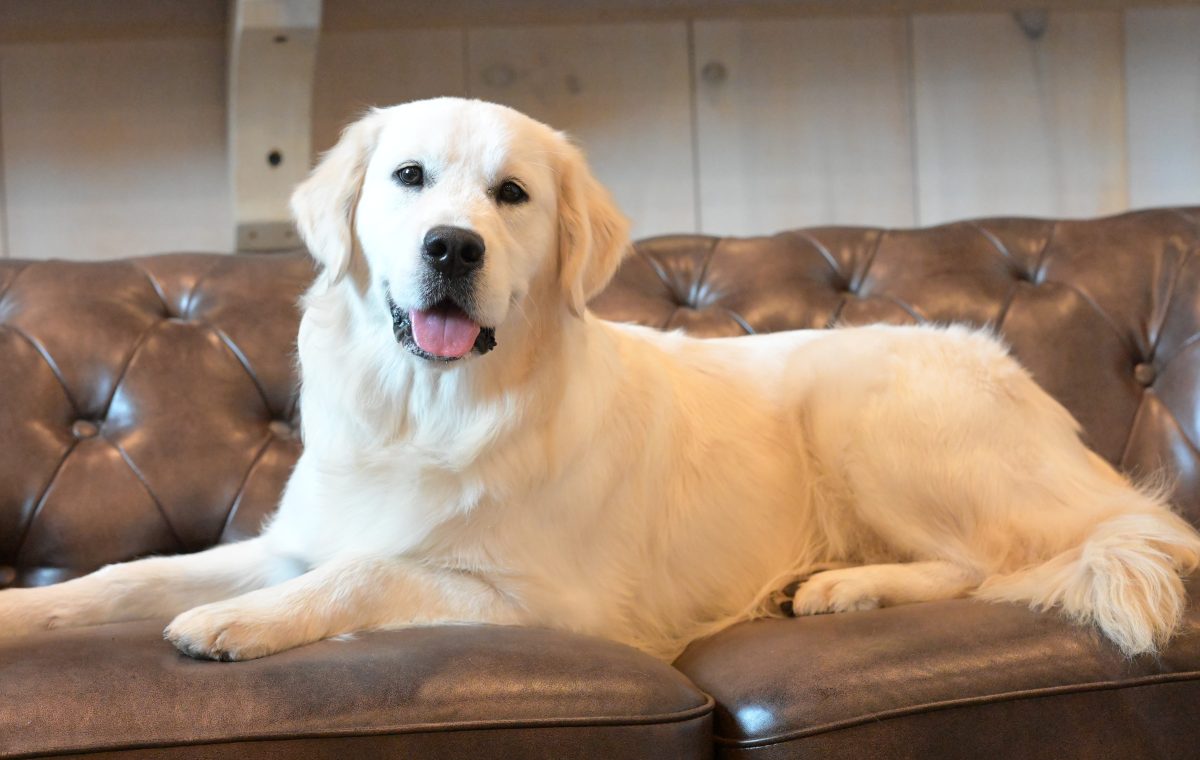
The English Golden Retrievers are the retrievers we use in our breeding program because they are known for their laid-back and easy-going nature. This variety of Golden Retriever traces its lineage back to the United Kingdom and continental Europe. While all Golden Retrievers share their origins in Scotland during the 1800s, the English lines were bred to conform to The Kennel Club (UK) standards, which emphasize specific physical traits and temperaments.
They are different from the American Golden Retrievers by their lighter cream-colored coats, blockier builds, and calm, easy demeanor. Although the AKC (American Kennel Club) does not recognize “English” Golden Retrievers as a separate breed, they are registered through The Kennel Club (UK), the Fédération Cynologique Internationale (FCI), and other European registries.
The English Golden Retriever is best known for its gentle, calm, and affectionate personality. While all Golden Retrievers are naturally people-oriented, the English lines are especially valued for their easy going nature and lower tendency toward hyperactivity. They are affectionate and loyal, bonding closely with their families and they love companionship. They are usually patient and nurturing, they are wonderful with children and are considered one of the best family dogs. Intelligent and eager to please, they are very trainable and respond well to positive reinforcement. They are very social and friendly and tend to be welcoming toward strangers, other dogs, and even cats, and their balanced energy means they enjoy outdoor play and exercise but are typically calmer indoors compared to American Goldens.
Because of their calm and intuitive nature, English Golden Retrievers also excel as therapy and service dogs, making them not only beautiful companions but also reliable and versatile dogs.
The Australian Labradoodle
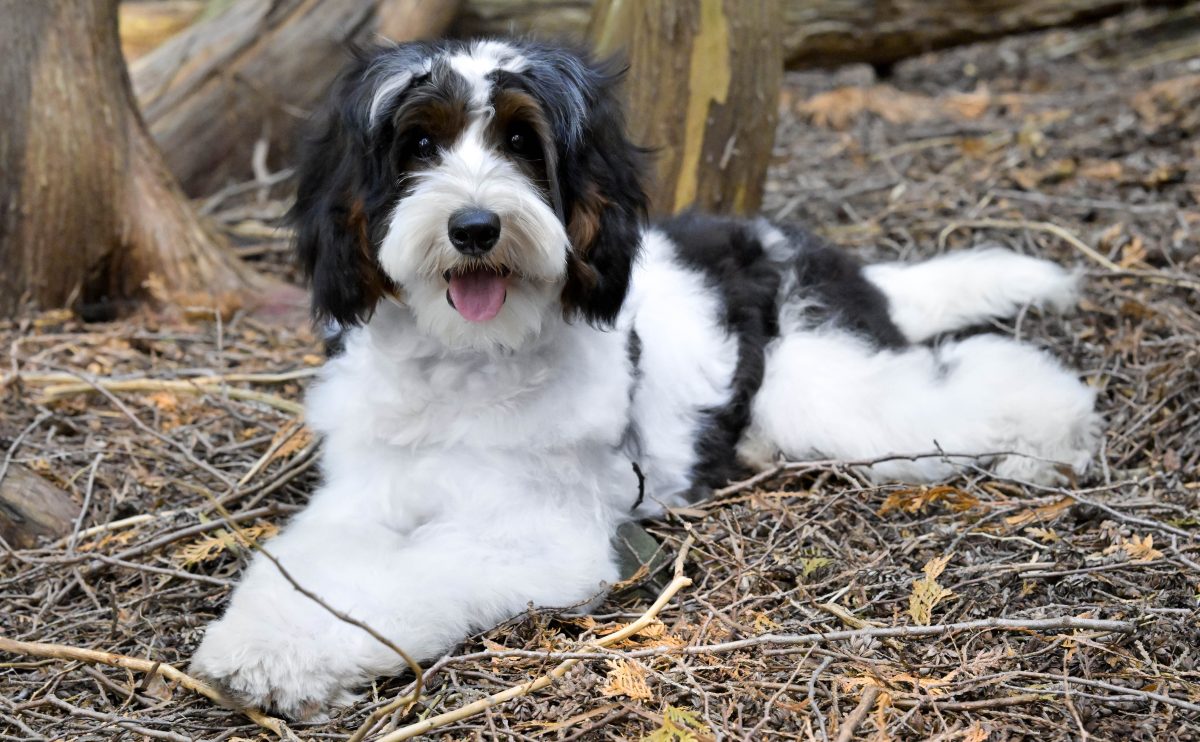
The Australian Labradoodle is a unique and carefully developed breed that originated in Australia in the late 1980s. While the name suggests it is a Labrador Retriever crossed with a Poodle, the true Australian Labradoodle is a multi-generational dog that has been bred for consistency in temperament, health, and coat. The Australian Labradoodle was first developed when the Royal Guide Dog Association of Australia set out to create a hypoallergenic service dog by crossing a Standard Poodle with a Labrador Retriever. While the initial Labradoodles were well-received, their coats and temperaments varied widely. To bring more consistency, Australian breeders later introduced other breeds, including the English and American Cocker Spaniel, Curly-Coated Retriever, and Irish Water Spaniel. By adding the genetics of other breeds this helped produce a dog with a predictable coat, a friendly and intuitive personality, and excellent suitability for service and therapy work. Today, the Australian Labradoodle is recognized by organizations such as the Australian Labradoodle Association of America (ALAA) and the Worldwide Australian Labradoodle Association (WALA) as a distinct breed in development.
The temperament of the Australian Labradoodle is one of its most appealing qualities. These dogs are known for being friendly, intuitive, and highly people-oriented. They thrive on human interaction, getting along well with children, other dogs, and even cats. Intelligent and eager to please, they are quick to learn and respond well to training, especially with positive reinforcement. Their affectionate and loyal nature means they bond deeply with their families and often prefer to stay close to their people. Most seem to have balanced energy levels—happy to join in on outdoor adventures and exercise, yet just as content to relax indoors with their family. Because of their intuitive and empathetic nature, Australian Labradoodles often excel as therapy dogs, emotional support dogs, and service animals.
In terms of health, the Australian Labradoodle is generally a hardy and healthy breed when carefully bred. Their average lifespan is between 12 and 15 years. Like all breeds, however, they can be predisposed to certain conditions, including hip and elbow dysplasia, Progressive Retinal Atrophy (PRA), allergies and skin sensitivities. Responsible breeders monitor these issues closely and use health testing to reduce risk.
English Golden Retriever Meets Australian Labradoodle…The Perfect Canine Companion
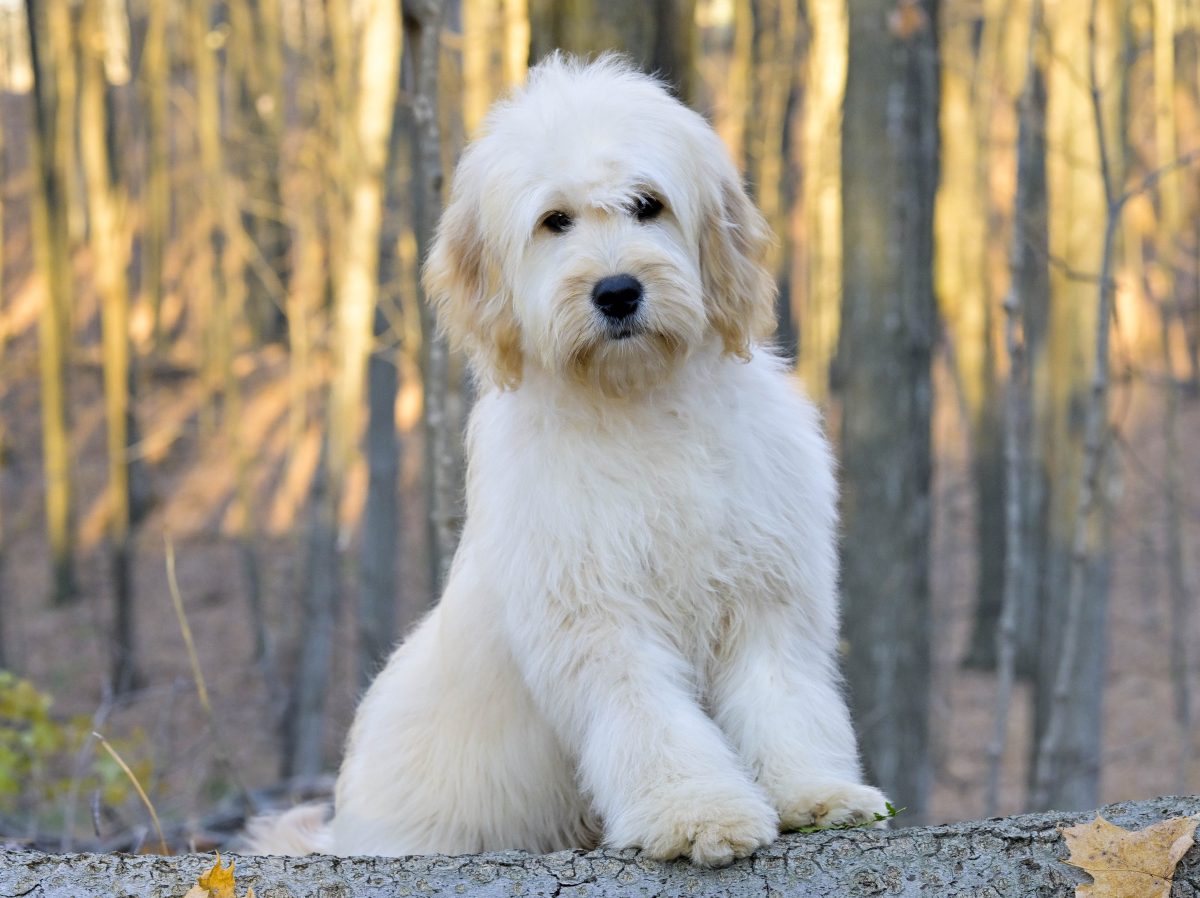
If a breeder does their due diligence in selecting the right parents, crossing purebred dogs of different breeds often results in puppies that are healthier than either of their parents. This is because the two breeds are usually prone to different genetic issues. Hybrids such as the Australian Goldendoodle—a cross between a Golden Retriever and an Australian Labradoodle—are only likely to inherit a health condition that is common to both parent breeds. This is known as hybrid vigor and means Australian Goldendoodles can often be expected to live healthier, longer lives than many purebred dogs.
A hybrid dog combines the traits and characteristics of its parent breeds, and with careful, conscientious breeding, the resulting puppies often inherit the best qualities of each. In the case of the Australian Goldendoodle, we are blending the loyal, affectionate, and eager-to-please Golden Retriever with the intelligent, confident, and allergy-friendly Australian Labradoodle. The result is an extraordinary family companion who is loving, social, intuitive, and playful.
English Golden Retrievers contribute to the mix their sweetness, loyalty, and natural patience, especially around children and the elderly. They are gentle and people-oriented, always wanting to be part of family life. The Australian Labradoodle brings in a soft, low-shedding fleece coat, along with a fun, loving, social personality and intelligence. Australian Labradoodles were carefully developed for therapy and service work, so they also add adaptability and emotional sensitivity, giving the Australian Goldendoodle an intuitive quality that makes them excellent therapy or emotional support dogs.
In terms of temperament, Australian Goldendoodles are affectionate, playful, and incredibly people-focused. They thrive on companionship and don’t like to be left alone for long periods. Their intelligence makes them easy to train, and they respond quickly to positive reinforcement. They are athletic enough to join in on hikes, runs, or games of fetch, but also calm and gentle enough to settle indoors and relax with their families. This adaptability allows them to fit into both active households and more laid-back environments.
In short, the Australian Goldendoodle is an easy to train dog. They are great for first time dog owners.
Appearance
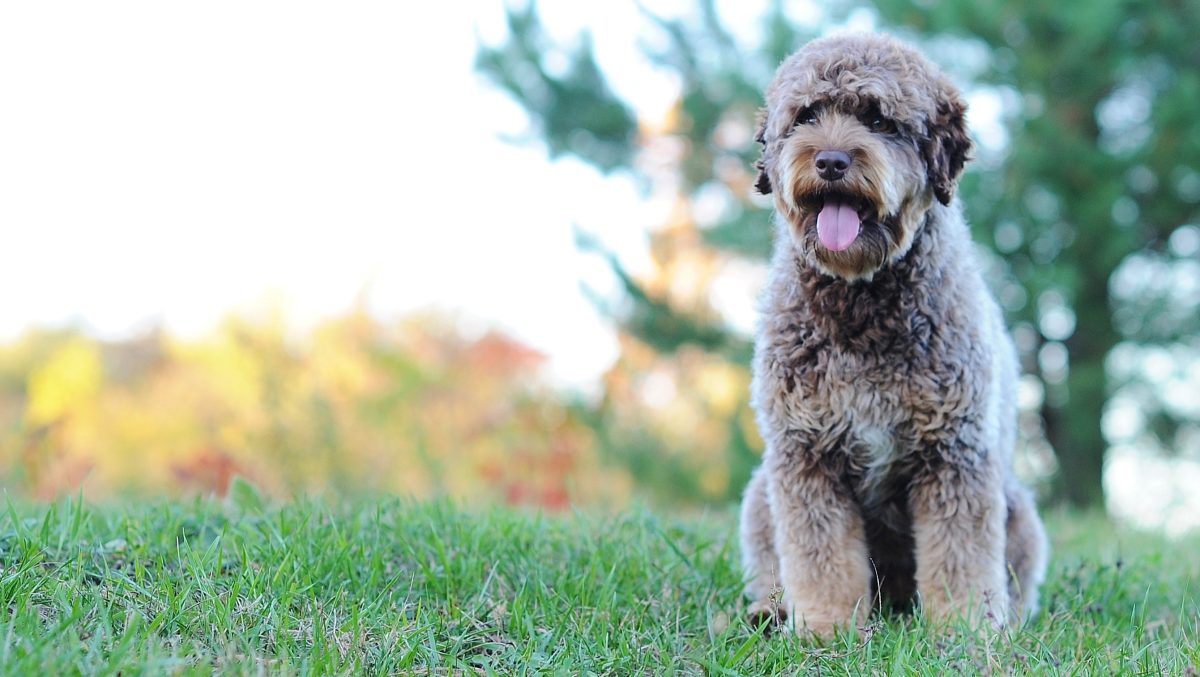
While many people assume Australian Goldendoodles are always golden in color, they actually come in a wide range of shades. Common colors include cream, apricot, red, chocolate, black, silver, caramel, sable, phantom, and parti variations. This wide variety comes from the infusion of the Australian Labradoodle.
The overall appearance of the Australian Goldendoodle is a beautiful balance of the Golden Retriever and the Australian Labradoodle. Thanks to the Australian Labradoodle influence, they often have a more stocky, square, and balanced build than the traditional Goldendoodle, which can sometimes be taller and lankier due to the Poodle genetics. Their faces are typically round and soft with expressive, human-like eyes that give them a gentle, approachable look. Many carry the signature “teddy bear” appearance that make them so lovable.
Breeders often refine the appearance of their Goldendoodles through careful selection, developing a recognizable “look” within their lines. At SwissRidge, for example, our Australian Goldendoodles are known for their stocky, well-proportioned frames, balanced heads, and soft, silky coats that enhance their teddy bear charm. Families often comment that they can easily recognize a SwissRidge Australian Goldendoodle in a crowd because of their distinct beauty and charisma.
Coat
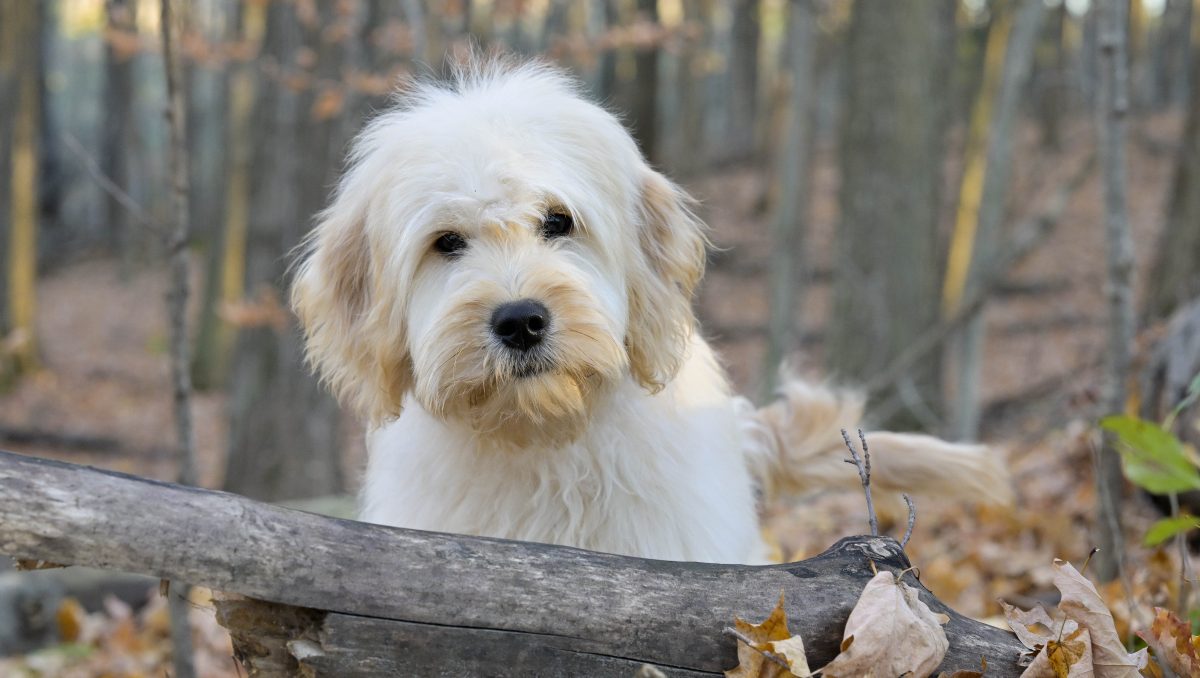
The Australian Goldendoodle is well known for its luxurious, soft fleece coat, one of the features that makes this hybrid so appealing to families. By introducing the Australian Labradoodle into the Golden Retriever line, we have been able to produce coats that are not only allergy-friendly but also exceptionally plush and teddy bear-like in both look and feel. The fleece coat is incredibly soft and silky, often compared to cashmere or angora wool. It has a light, airy quality that makes these dogs feel almost like living stuffed animals. Unlike the coarse or wiry coats found in some other breeds, the Australian Goldendoodle’s coat is smooth to the touch, falls in gentle waves or soft spirals rather than tight curls, and is truly inviting to cuddle.
Although the fleece coat is low-shedding, it does require consistent upkeep to remain healthy and beautiful. Regular brushing two to three times a week is important to prevent tangles and mats, while professional grooming every six to eight weeks helps maintain shape and keeps the coat matt free. Families who commit to this grooming routine find the rewards far outweigh the effort, as the fleece coat not only reduces shedding and allergens in the home but also keeps their dog looking its best.
Beyond aesthetics, the fleece coat offers additional benefits for families. Its softness makes Australian Goldendoodles especially suited to therapy work—few can resist running their hands through such a comforting coat, which creates an instant sense of connection. The coat is also one of the most suitable options for allergy-sensitive households, though it’s important to remember that every individual’s allergies are different. Another advantage is that the fleece coat tends to carry far less “doggy odor” compared to heavy-shedding double coats, this makes the Australian Goldendoodle even more desirable to have in a home.
Sizes
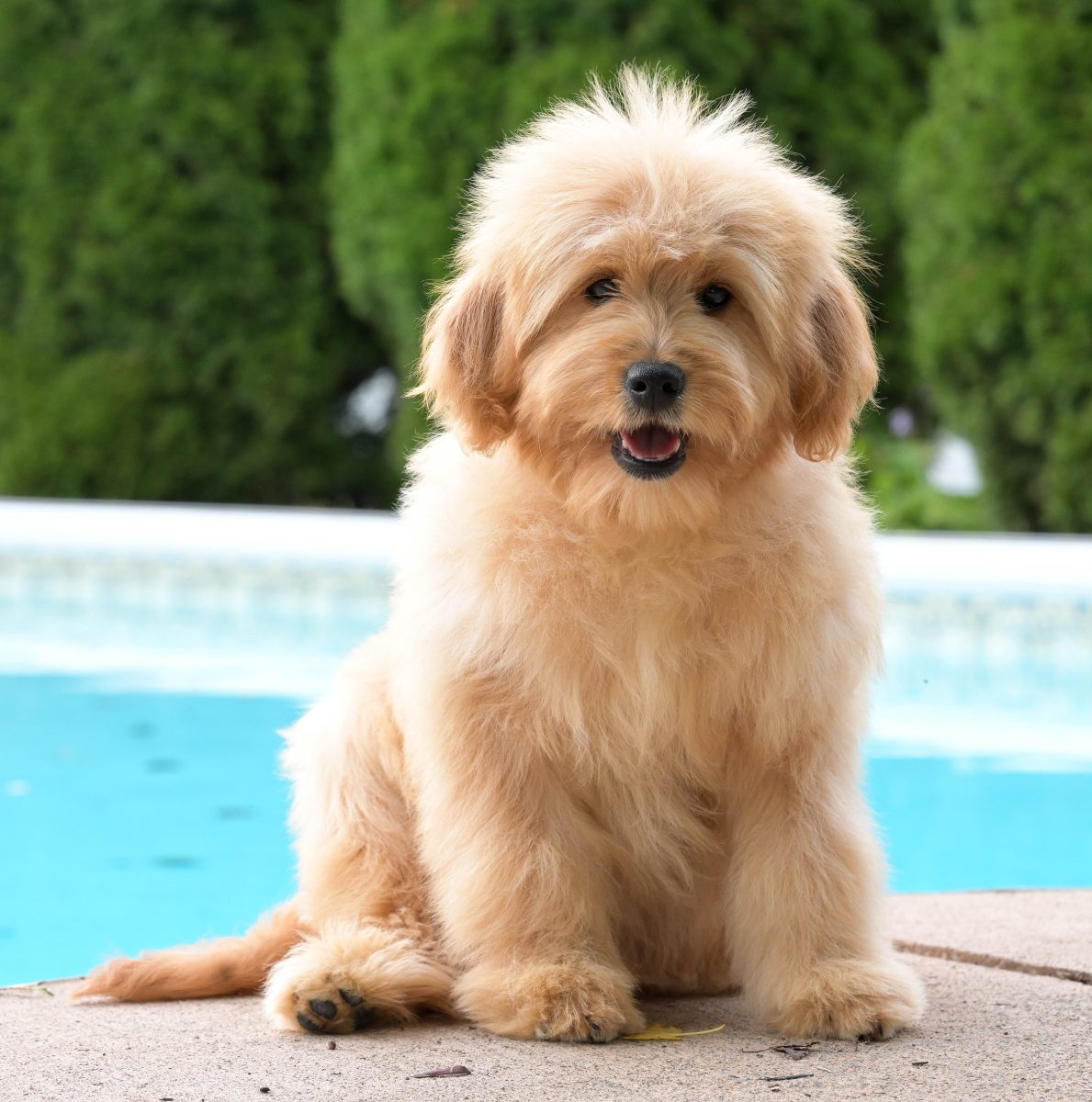
Depending on the parents and their genetics, Australian Goldendoodles can be found in a wide variety of sizes, with females typically being smaller than males. At SwissRidge, we focus primarily on breeding Mini and Medium Australian Goldendoodles.
- Standard: 22 – 29 inches at the shoulder, 66+ lbs
- Medium: 18 – 21 inches at the shoulder, 46–65 lbs
- Miniature: 14 – 17 inches at the shoulder, 26 –45 lbs
- Tiny: 10 – 13 inches at the shoulder, 10 –25lbs
Different Generations
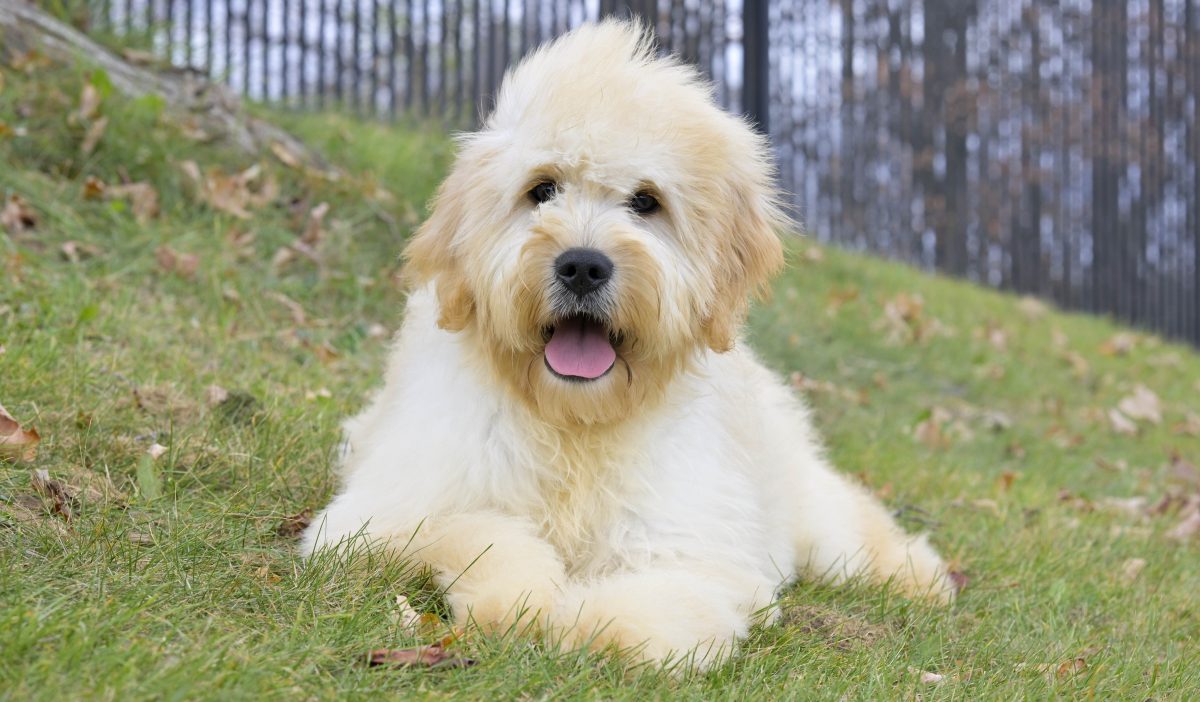
These are the different generations of Australian Goldendoodles. In our program, we typically focus on breeding F1 Australian Goldendoodles.
F1 (First Generation) – This is the initial cross between a Golden Retriever and an Australian Labradoodle. The result is a 50/50 mix, combining the loyalty and beauty of the Golden Retriever with the low-to-non-shedding coat and trainability of the Australian Labradoodle. The F1 cross is often considered the healthiest generation because the parents come from different distinct breeds, making it less likely for the puppy to inherit the same genetic conditions from both sides. This “hybrid vigor” typically produces strong and healthy dogs.
F1B (Australian Labradoodle Backcross) – This occurs when an F1 Australian Goldendoodle is bred back to an Australian Labradoodle. The result is a puppy with a higher percentage of Australian Labradoodle, giving them more of the Australian Labradoodle’s look and temperament but still having golden retriever qualities. This cross also retains the advantage of a softer, low-to-non-shedding coat especially if one of the parents is double-furnished.
A backcross can also involve a Golden Retriever, producing puppies with more Golden Retriever traits. However, if the Australian Goldendoodle in this pairing is not double-furnished, some of the resulting puppies may have coats that shed.
F2 (Second Generation) – This occurs when two F1 Australian Goldendoodles are bred together. F2s can have inconsistent coats if both parents only have one furnishing gene.
Multigenerational (Multigen) – Any Australian Goldendoodle beyond the F2 generation falls into this category. With several generations of Australian Goldendoodles bred together, the traits become even more predictable than in the F2 generation. Through careful and selective breeding, coat texture, shedding level, and temperament are further refined and consistent.
Health and Lifespan
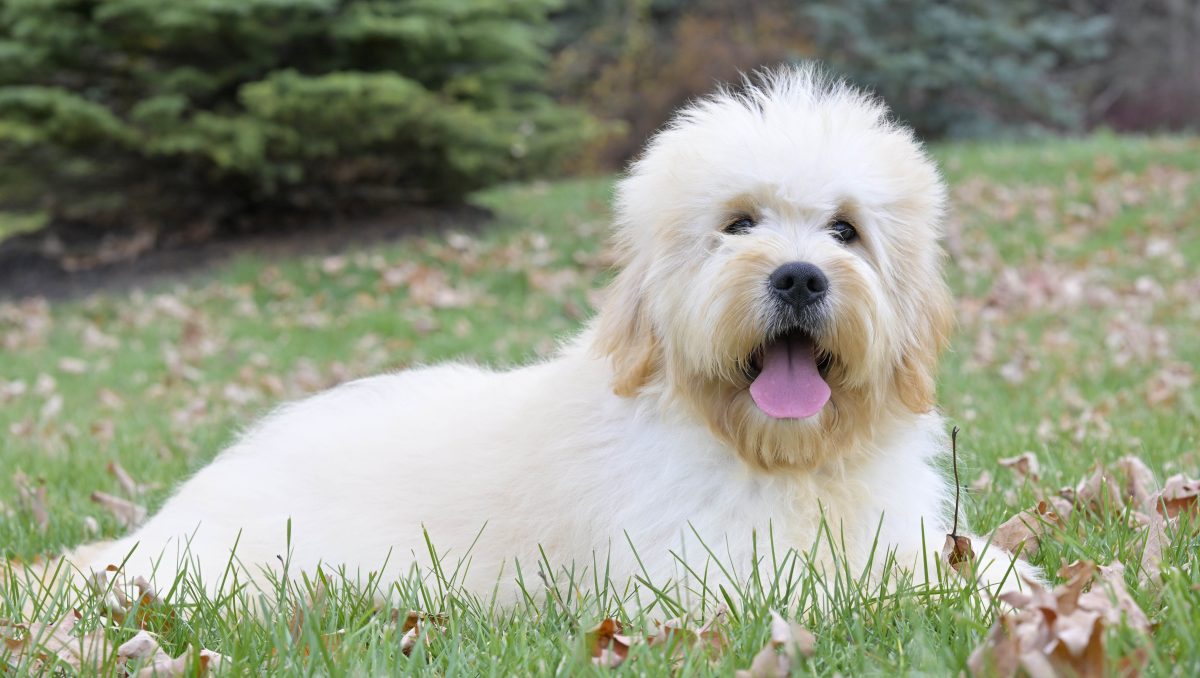
On average, Australian Goldendoodles live between 12 and 15 years, with smaller sizes, such as minis, often living longer than larger standards. Their lifespan is typically longer than that of a purebred Golden Retriever, which averages 10 to 12 years, thanks to the introduction of the Australian Labradoodle’s strong genetics and longer-lived lines.
Although they are generally healthy, Australian Goldendoodles can still be prone to certain conditions found in both parent breeds. Some of the more common concerns include hip and elbow dysplasia, which are joint issues responsible breeders test for before breeding. Progressive Retinal Atrophy (PRA), an inherited eye disease that may lead to vision loss, can also be seen. In addition, allergies or skin sensitivities may occasionally occur. Like all breeds they are also predisposed to cancer.
The best way to ensure a long, healthy life for an Australian Goldendoodle is to find a reputable breeder who invests in extensive health testing—including hip and elbow x-rays, cardiac evaluations, eye exams, and DNA screening—to ensure only the healthiest dogs are bred. While this commitment often reflects in the cost of a puppy, it significantly reduces the risk of health problems later on and can save families on future veterinary bills.
Goldendoodle Mismatch
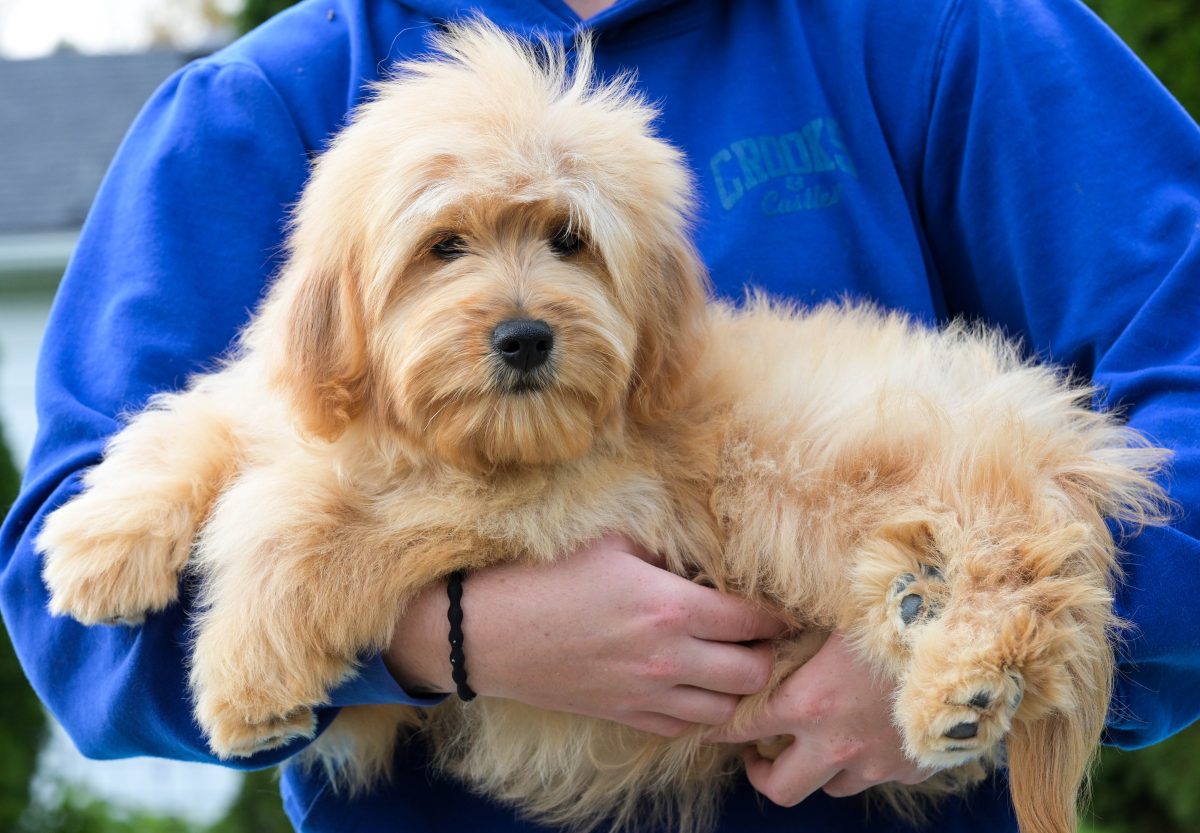
The Australian Goldendoodle is a versatile companion, well-suited for a wide range of families and lifestyles; with a few caveats:
- This is a very social dog that thrives on plenty of human interaction; if you have limited time for a dog, this may not be the breed for you. They need exercise and mental engagement.
- You should be prepared to dedicate the first two years to consistent guidance and training, helping your puppy grow into a well-mannered, wonderful adult dog.
- A low- to non-shedding coat means more time, effort, and money spent on grooming.
But if you have the time and enthusiasm, I predict your Australian Goldendoodle will become the best friend you ever had – at least of the canine variety.
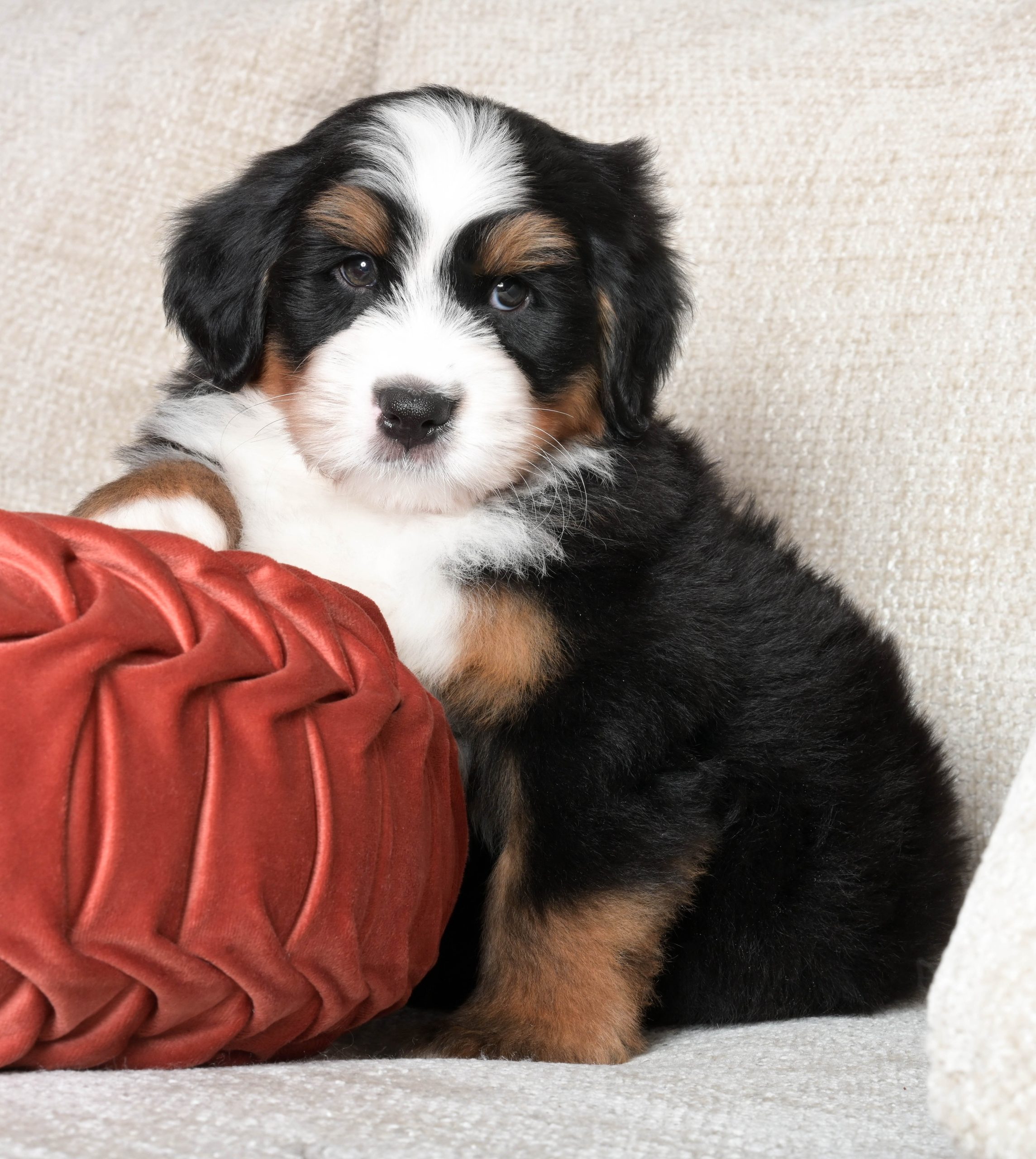
Discover if a SwissRidge puppy is for you
Spend a few minutes and do the SwissRidge Puppy Quiz to determine if one of our cute and active puppies is the perfect fit for you and your family. This quick 10-question quiz is designed to help you decide if your home and lifestyle are the perfect match for a new four-legged lifelong member of your family.